Soft cycle shock: Can a US-Iran conflict harden the global insurance market?
The insurance sector has spent much of the past year behaving like a market with plenty of spare confidence: competitive renewals, abundant capacity in many lines, and - outside loss-hit pockets - lots of competition and negotiation. Aon’s 2026 P&C outlook frames the environment as shaped by “competitive pressures” and “easing reinsurance market conditions,” even as volatility and loss severity remain stubborn.
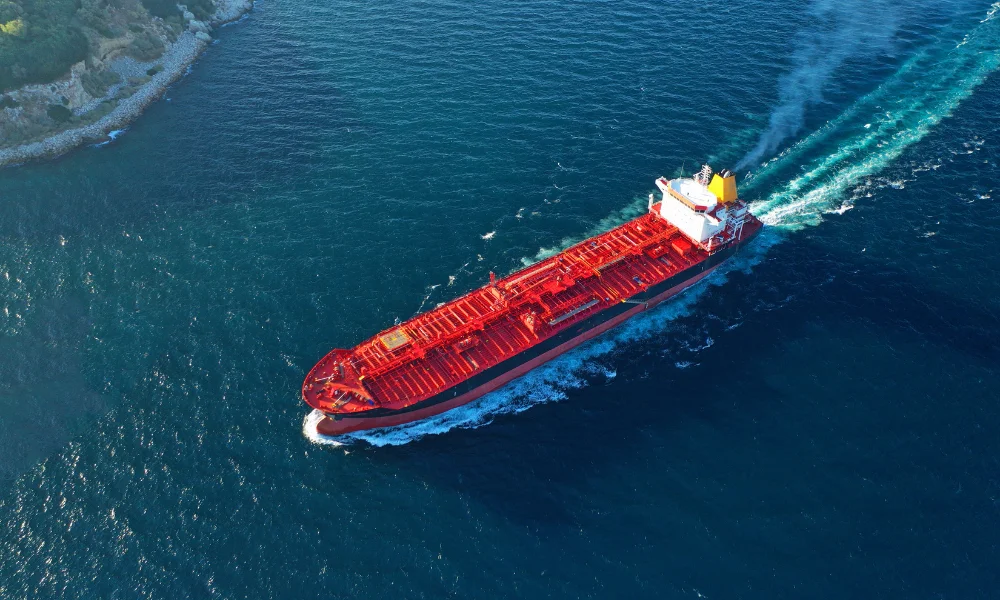
Then came the Middle East escalation, with the Strait of Hormuz - a critical artery for energy and trade - once again turning into a live stress-test of accumulation risk, political violence and supply-chain fragility. There are severe disruptions to tanker traffic through the Strait and attacks on vessels near the waterway, including drone strikes on oil tankers.
What matters for brokers and insurers now is whether this stays a regionally intense war-risk repricing event - or becomes the kind of correlated shock that drags capital, reserve strength and risk appetite down across portfolios.
“It depends on the escalation and scale of the conflict,” said Marcus Pearson (pictured), CEO of Lockton Pacific.
Even before any debate about “hard market” semantics, there are clear, immediate effects in lines where war exclusions, territorial limitations and short-notice cancelation clauses do exactly what they were designed to do: stop silent accumulation.
“There will be underwriting changes,” said Pearson. “We’re already seeing cancelations of war clauses being issued for shipping and we’ll see dramatic increases in premiums for cargo and shipping in that area.”
Read next: Insurers on alert as Trump threatens to attack Iran
Marine insurers have activated 48- and 72-hour war cancelation clauses after Iran’s Revolutionary Guard declared the Strait of Hormuz “closed,” shifting the issue from “pricing pressure” to actual withdrawal of automatic war-risk protection for transits.
Aviation rates and premiums are also being impacted and Pearson said cyber terrorism classes will also see hardening market conditions relative to the Middle East region.
On the ground and in the air, the conflict has disrupted aviation across the region, with multiple countries closing airspace and major hubs - including Dubai, Abu Dhabi and Doha - shut amid strikes, stranding and diverting hundreds of thousands of travelers.
In Europe, Le Monde captured just how quickly marine pricing can move when the market shifts from “heightened risk” to “credible closure”: “Negotiations are still underway, but rates could increase five- or tenfold,” said Gilles Legué, director of the marine, cargo and logistics department at Marsh in France. War-risk specialist Garex is already thinking about cost-sharing down the chain: “shipowners will ask charterers to contribute to the premium,” said managing director Frédéric Denèfle.
In this chaotic situation, the most persuasive argument against a broad cycle flip is that the global industry has become structurally better at absorbing regional conflict: diversified balance sheets, more granular aggregations and tighter wording in the very products most exposed to geopolitical shocks.
Pearson’s answer to whether the current insurance impacts from the US/Iran conflict could shock the market out of its soft cycle is direct: “Typically, no,” said Pearson.
“Insurers are good at compartmentalizing and diversifying geographically,” he said.
Read next: War-risk cover expires today for shipping as risks escalate
That “compartmentalizing” is visible in how losses are likely to be distributed. Some of the most dramatic images and immediate economic pain points - sovereign infrastructure strikes, wartime rebuilding, large-scale military damage - can sit outside traditional private insurance recovery or land inside government balance sheets, captive-like structures, or explicit war-risk mechanisms with defined limits. The result: lots of volatility and frictional cost, but not necessarily the kind of industry-wide capital event that forces a synchronized repricing of everything from property to casualty to financial lines.
Even the macro channels that do bleed into global claims inflation can be slow-burn rather than cliff-edge. For example, the sharp moves in energy markets linked to the conflict, with oil prices rising and fears around supply disruptions after attacks and shutdowns affecting the region’s production and tanker flows. Those higher input costs can pressure repair costs, BI severity and headline inflation but they don’t automatically translate into the capital impairment that typically defines a true hard-market turn.
So, could this Middle East conflict harden parts of the market? It already is. Could it flip the whole cycle? Pearson’s framing is the one senior brokers and carriers are now underwriting to: “It depends on the escalation and scale of the conflict.”