Middle East conflict piles pressure on energy and marine insurers - Allianz Trade
The latest escalation in the Middle East is creating a more challenging environment for energy, marine and credit insurers, with Allianz Trade warning that shipping disruption and higher-for-longer oil prices could feed directly into claims costs, balance sheets and investment portfolios.
In a new report, Conflict in the Middle East: Implications for markets and macro, Allianz research analyzed the economic and market impact of US-Israeli strikes on Iran and subsequent Iranian attacks on energy infrastructure and shipping. While the economists' central scenario is for a relatively short-lived shock, they cautioned that the route and duration of the conflict will determine whether the world faces a repeat of the 2022 to 2023 inflation surge - and how far insurance markets will have to recalibrate.
Allianz Trade framed the current crisis as a "non-linear geopolitical shock" with the main transmission channel running through the Strait of Hormuz, which is critical for around 30% of global seaborn oil flows and a significant share of LNG shipments.
Spot oil prices spiked to about $82 per barrel immediately after the latest attacks, roughly 13% above the previous close, and shipping data showed more than 200 oil and LNG vessels anchored outside the strait as war‑risk insurance costs and operational precautions surged. In the baseline case of a conflict contained within a few weeks, Allianz expects oil to average about $85/bbl in 2026, with prices temporarily reaching $90/bbl and then easing back towards US$70–75/bbl as tensions calm.
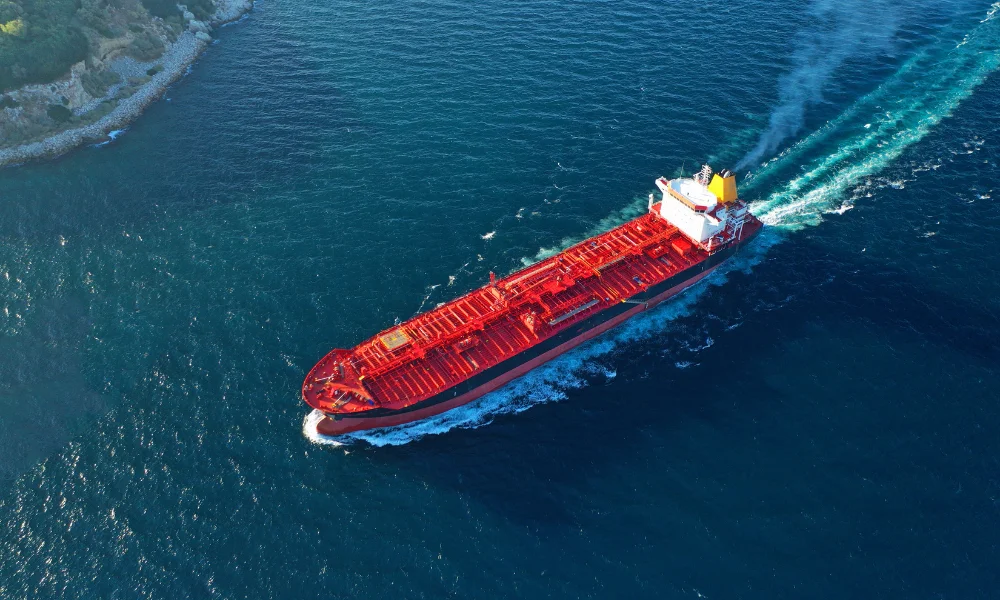
For insurers, the concentration of risk in Hormuz has direct implications. Marine hull and cargo underwriters face heightened exposure to physical damage, loss of hire and delays, while war‑risk insurers are already seeing elevated premium demand and tighter wordings. Energy insurers, particularly those covering offshore platforms, refineries and pipelines in the Gulf, are watching closely for any move from temporary disruption to sustained infrastructure damage, which would drive larger property and business‑interruption claims.
Allianz notes that in a more severe “prolonged conflict” scenario in which shipping lanes are repeatedly blocked or major production facilities are hit, Brent could rise above US$100/bbl and even test US$120–130/bbl before stabilizing. That would bring a second, supply‑driven inflation shock just a few years after the last one – a backdrop that could hurt insurers on both sides of the balance sheet, with higher claims costs and more volatile financial markets.
From an insurance perspective, one of the report’s key findings is that the inflation impact of the baseline conflict scenario is modest but not negligible. Allianz Trade estimates that an extended period of oil around US$80–90/bbl would add about 0.1–0.2 percentage points to headline inflation in the euro area and the US in the short term.
On its own, that would not be enough to fundamentally change central banks’ policy paths, but it would prolong elevated price pressures in sectors already facing cost escalation, including construction, transportation and manufacturing. For P&C insurers, that means further upward drift in claims inflation, particularly on motor, commercial property and business‑interruption covers where energy and materials costs feed directly into repair bills and loss‑of‑income calculations.
In a more adverse scenario where prices remain near US$100/bbl for a sustained period, Allianz sees upside inflation risks of around 0.5 percentage points. That would likely delay interest‑rate cuts by the Federal Reserve and European Central Bank, with knock‑on effects for insurers’ investment income, solvency ratios and asset‑liability management.
Allianz’s baseline scenario characterises the current shock as primarily one of volatility rather than a full‑blown supply collapse, but the sector breakdown still matters for underwriters.
Energy producers outside the Gulf, integrated oil majors with strong trading arms and cash‑flow uplift, and some LNG exporters are projected to benefit from higher prices and wider margins. For insurers with large energy portfolios, this could improve client credit quality and reduce default risk in parts of the book.
By contrast, energy‑intensive sectors, such as airlines, petrochemicals, heavy manufacturing and some logistics operators, face margin pressure as fuel, feedstock and freight costs rise. For trade credit and surety insurers, that raises questions about exposures to weaker balance‑sheet names in these industries, particularly if the conflict drags on and financing conditions tighten.
Allianz also pointed to shipping companies’ ability to pass through costs. Higher bunker prices and war‑risk surcharges could lift freight rates by 15–25% for some routes, pushing up insured cargo values and heightening the risk of under‑insurance where sums insured are not adjusted. Marine liability underwriters may also have to consider increased risk of collision or navigational incidents as vessels reroute to avoid high‑risk waters.
On the asset side, Allianz expects markets to anchor to a “rapid stabilization” baseline but with bursts of volatility as headlines shift. The report argued that the more important question for investors is whether nominal bonds will still behave as a portfolio hedge in a supply‑driven inflation regime.
In the baseline case, Allianz sees 10‑year US Treasury yields moving back into the 4.5–5.0% range over time, with German Bunds in the 3.0–3.5% range, as central banks keep policy rates on hold slightly longer before easing. For life insurers and multi‑line carriers, higher yields support reinvestment income but can pressure unrealized bond values and capital positions in the short term.
Equity markets, especially in the US technology sector, are flagged as vulnerable to either higher‑for‑longer rates or a sharper growth slowdown. Allianz suggests that in adverse scenarios, US equities could see significant drawdowns, driven by a combination of multiple compression and cyclical earnings pressure. That is relevant for insurers with large equity portfolios or unit‑linked books exposed to market swings.
The report highlighted infrastructure as one of the more resilient asset classes across both high-growth/high-inflation and low-growth/high-inflation environments.
For insurers increasing allocations to private assets, Allianz’s baseline assumes around a 10% positive return from infrastructure in 2026, even under continued geopolitical stress, compared with mid‑single‑digit returns for equities and lower yields for investment‑grade bonds. However, in a severe downside scenario the research warns that private‑debt spreads could widen from around 500 basis points to as much as 650 bps as investors reassess risk in more leveraged sectors.
That matters for carriers that have leaned more heavily into infrastructure debt and equity to pick up yield in a low‑rate world. While these assets may be relatively insulated from short‑term market volatility, they are not immune to prolonged energy shocks or a broader macroeconomic downturn, especially where borrowers are exposed to chemicals, packaging or other energy‑sensitive industries.
Allianz’s analysis paints a picture of a conflict that, if contained, should be manageable for the global economy and financial system – but still poses meaningful challenges for insurers.
Marine and energy books are directly exposed to any intensification of attacks on shipping and infrastructure in and around the Strait of Hormuz. Claims inflation is likely to stay elevated, particularly for lines sensitive to energy and construction costs. Investment portfolios face a tricky mix of higher yields, potential equity volatility and questions about the hedging role of government bonds in a supply‑driven inflation regime. Private‑market allocations, especially to infrastructure and private credit, could prove relatively resilient but will need close monitoring in more severe downside scenarios.
The report makes clear that for insurers, like their clients, the ultimate impact will depend on how long the disruption lasts, whether it spreads beyond energy and shipping, and how quickly policymakers can contain both the geopolitical and inflationary fallout.